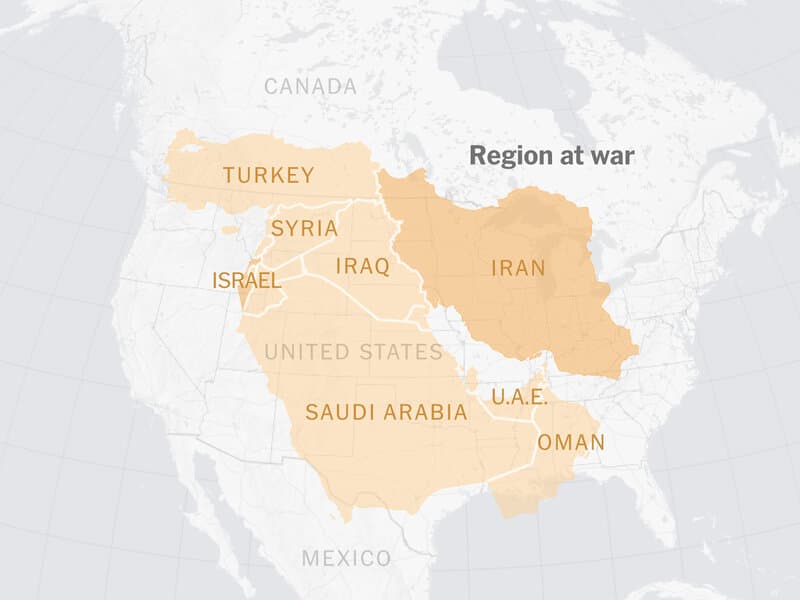
When military strikes erupted across the Persian Gulf in late February 2026, global markets braced for an immediate energy crisis. Months later, economic data reveals an unequal global outcome: the United States is seeing inflation ease back toward normal levels, while developing and import-dependent nations across Africa, the Middle East, and Asia are left bearing the financial burden of soaring fuel, transport, and food costs.
According to latest data from Trading Economics, the ripple effects of the 2026 Strait of Hormuz crisis have broken disinflation streaks across the Global South, directly reversing key economic milestones in reforming economies like Ethiopia.
Key Takeaways for Businesses & Investors
The Oil Spike: Brent crude jumped from $72.80 in February to intra-day highs of $118.35–$126.00 per barrel in March/April, holding above $94 in August amid shipping bottlenecks.
Subsidy Squeeze in Ethiopia: With global oil over $100/barrel and a market-determined exchange rate (~138 ETB/USD), the Ethiopian government had to raise pump prices to 132 ETB/liter to avoid an unsustainable fiscal deficit, pushing food inflation to 15.7%.
Regional Pressure: Rwanda’s inflation escalated to 13.80% (with transport costs up 29.1%), Kenya rose to 6.50%, and Egypt held at 14.90%.
The 2026 Oil Shock: From $72 to $126
Before hostilities began on February 28, 2026, the global economy was heading toward stability. Crude oil was trading comfortably around $71–$72 per barrel, and central banks worldwide were preparing interest rate cuts.
That changed overnight. As attacks in the Persian Gulf disrupted navigation through the Strait of Hormuz the transit route for 20% of the world's petroleum crude prices experienced their steepest monthly rise in modern market history, reaching $118.35 on March 31 and touching $126 in April. Container fleets were forced to circumnavigate the Cape of Good Hope, adding nearly two weeks to shipping times and doubling freight rates.
The Great Asymmetry: Why America Walked Away Unscathed
Despite the military conflict involving the United States, the U.S. domestic economy has remained insulated from long-term damage:
Domestic Energy Independence: Producing over 13.4 million barrels of crude oil per day alongside massive natural gas reserves, the U.S. fulfilled its own fuel needs without relying on Middle Eastern supply lines.
Dollar Strength: As the conflict created uncertainty, international capital fled to the U.S. dollar, strengthening American purchasing power and making non-energy imports cheaper in the U.S.
Rapid Cooling: After a brief spike to 4.20% in May driven by $4.00/gallon gasoline, U.S. headline inflation fell back to 3.40% in July 2026.
Ethiopia’s Single-Digit Milestone Derailed
For Ethiopia, the timing of the global war could not have been more challenging. Following the historic July 2024 foreign exchange reform that liberalized the Birr, the country had achieved steady progress:
By March 2026, Ethiopia was on track to sustain single-digit price growth for the rest of the year.
However, the international fuel shock hit the country’s import bill immediately. With global crude exceeding $110/barrel, maintaining retail gasoline at the subsidized price would have cost the government over 28% of all federal tax revenues. To protect fiscal solvency and prevent runaway budget deficits, retail fuel prices were adjusted upwards.
The higher transport costs cascaded through agricultural and commercial supply chains, pushing headline inflation up for four straight months to 15.30% in July 2026:
Food Inflation: Reached 15.7%, driven by sugar (+39.4%), meat (+21.6%), and edible oils (+20.3%).
Non-Food Inflation: Rose to 14.8%, led by clothing, hospitality, and construction materials.
Monthly Pressure: Consumer prices climbed 2.6% in July alone.
Global Inflation Snapshot: Pre-War vs. Current (July 2026)
| Country / Region | Pre-War (Feb 2026) | Peak Shock Level | July 2026 Rate | What Happened? |
| United States | 2.50% | 4.20% (May) | 3.40% | Peaked quickly, then dropped by 0.8% as domestic oil output buffered supply. |
| Ethiopia | 9.70% | 13.90% (Jun) | 15.30% | Single-digit streak broken; fuel subsidies cut; food prices jumped. |
| Rwanda | 7.90% | 12.70% (Jun) | 13.80% | Landlocked transit costs pushed transport inflation to 29.1%. |
| Kenya | 3.90% | 6.40% (Jun) | 6.50% | Transport jumped 15.6%; Central Bank forced to halt interest rate cuts. |
| Egypt | 13.80% | 14.60% (May) | 14.90% | Fuel prices raised 14–17% in March; utility costs surged 41.2%. |
| Euro Area | 2.00% | 3.20% (May) | 2.90% | Energy inflation accelerated to 10.3% in July across Europe. |
| Saudi Arabia | 1.50% | 2.20% (Apr) | 1.80% | Insulated by oil export revenues and fixed fuel price caps (2.18 SAR/L). |
Source: Official national releases compiled by Trading Economics.
What This Means for Ethiopian Businesses and Consumers
Supply Chain Management: Importers and manufacturers must account for elevated freight and fuel costs through the third quarter of 2026 as the Strait of Hormuz standoff continues.
Focus on Domestic Sourcing: High imported food and fertilizer prices underline the strategic importance of domestic agricultural inputs and localized value chains.
Monetary Vigilance: While the National Bank of Ethiopia maintains tight monetary controls to prevent second-round price spirals, businesses should prepare for sticky core inflation until international oil markets normalize below $80/barrel.
For continuous macroeconomic updates, business directory listings, and market data, visit Aksion.et.



 ABAYB1300
 AWAB2364.29
 BOAX1705.71
 GDAB1004.71
 SIDAX1300
 TELE422.19
 WGBX1137.5