East African Community Sets 2031 Horizon for Unified Currency Despite Challenges
A
Aksion Editorial Team•Financial Correspondent
•2 min read
Share:
TL;DR
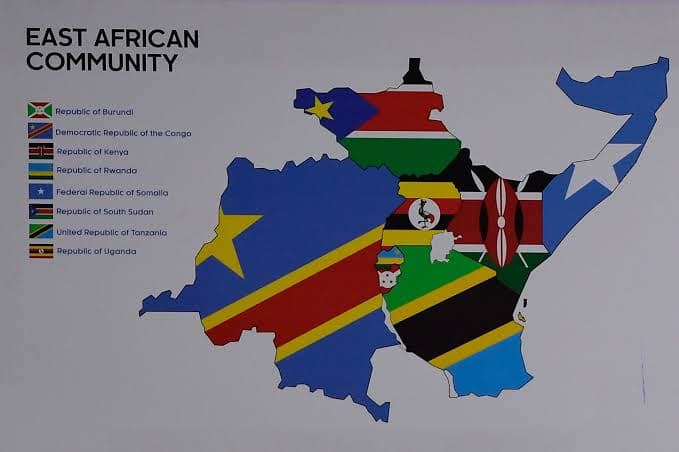
The East African Community has rescheduled the launch of its regional single currency to 2031, citing previous economic challenges and the need for member states to meet specific macroeconomic criteria. The bloc comprising Kenya, Uganda, Tanzania, Rwanda, Burundi, South Sudan, the Democratic Republic of the Congo, and Somalia is now prioritizing a phased rollout.
The East African Community (EAC) has officially recalibrated its timeline for regional monetary integration, pushing the target for a single currency launch to 2031. This adjustment follows a decade of structural hurdles and the economic disruptions of the COVID-19 pandemic, which stalled the original 2024 implementation goal.
According to The Reporter, the bloc comprising Kenya, Uganda, Tanzania, Rwanda, Burundi, South Sudan, the Democratic Republic of the Congo, and Somalia is now prioritizing a phased rollout. This transition is contingent upon member states achieving rigorous macroeconomic stability, a process currently supported by the development of the East African Monetary Institute, which is intended to function as the precursor to a regional central bank.
Macroeconomic Benchmarks for Integration
The path to a unified currency requires member states to harmonize their fiscal and monetary policies. To ensure the stability of the future currency, the EAC has established specific convergence criteria that each nation must maintain:
Sponsorship
Advertise on Aksion.ET
Showcase your brand directly to thousands of monthly investors, business leaders, and finance professionals in Ethiopia.
For businesses operating in the Horn of Africa, these targets highlight the critical importance of foreign exchange management and fiscal discipline. As regional integration deepens, stakeholders are increasingly looking toward data intelligence to track how these shifting macroeconomic conditions impact cross-border trade and investment flows.
Strategic Context and Regional Outlook
The push for a common currency is a cornerstone of the seventh EAC Development Strategy, which aims to transition the region from post-pandemic recovery to long-term structural transformation. Beyond monetary policy, the bloc is advancing discussions on a confederation constitution and leveraging the existing single travel passport to reduce barriers to movement and commerce.
For investors and firms evaluating the regional landscape, understanding the interplay between national economic performance and these supranational goals is essential. Those interested in the broader economic environment can explore investment opportunities in Ethiopia and the wider region, or utilize market rates to monitor the volatility and trends that inform such large-scale integration projects.
As the EAC moves toward its 2031 deadline, the focus remains on institutional strengthening and market-driven growth. The success of this initiative will largely depend on the ability of member states to align their banking sectors and fiscal frameworks with the established regional standards.
Source: The Reporter
Comments
Leave a Reply
No comments yet. Be the first to share your thoughts!
Historical data
30Banks
✓
Interactive ChartsExplore visual performance trends over time