Central bank introduces five major policy measures as inflation rises to 13.4% and Ethiopia strengthens its foreign exchange position
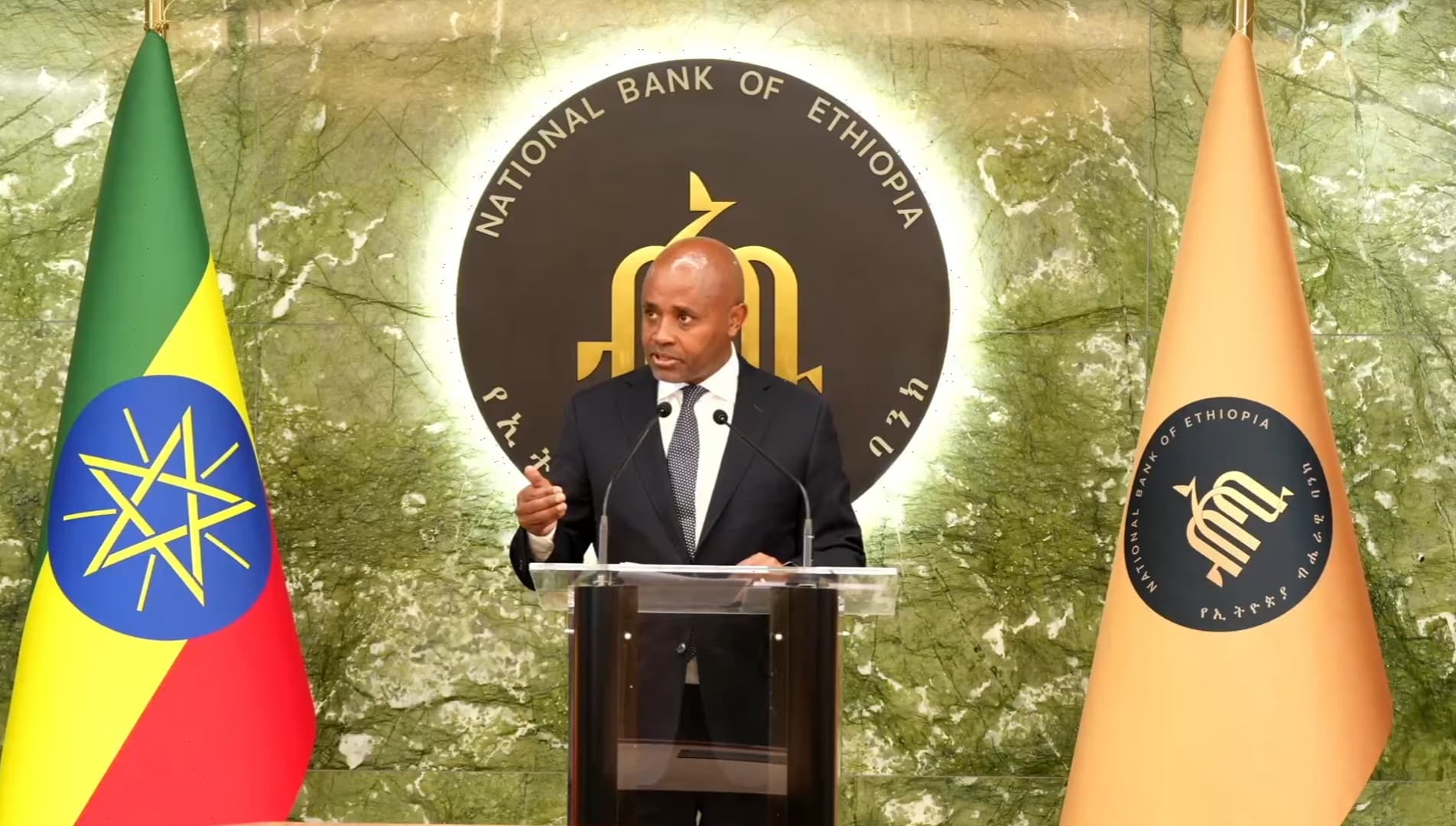
The National Bank of Ethiopia (NBE) has announced major monetary policy changes following the 7th meeting of its Monetary Policy Committee (MPC), including the full removal of the bank credit cap, a 1 percentage point increase in the policy rate, and new measures aimed at improving foreign exchange market efficiency.
The decisions come as Ethiopia continues its transition toward a market-based monetary policy framework while facing renewed inflationary pressure caused by global fuel supply disruptions.
The MPC reviewed inflation trends, economic growth, banking sector conditions, fiscal performance, foreign exchange developments, and global economic risks before approving the new measures.
Major NBE Policy Decisions
The NBE announced five key policy actions aimed at controlling inflation, improving market efficiency, and strengthening Ethiopia’s financial system.
| Policy Decision | Details |
|---|
| Credit Cap Removed | The NBE fully removed the credit growth cap, stating that the measure had achieved its objective and that monetary policy will now rely more on indirect tools. The central bank emphasized that the removal does not represent a shift toward easier monetary policy. |
| Policy Rate Increased | The NBE raised its policy rate by 1 percentage point to maintain tight monetary conditions and manage inflation risks following the removal of the credit cap. |
| Targeted Reserve Requirement Introduced | Banks with excessive credit expansion that could create inflationary pressure may face additional reserve requirements based on NBE assessments. |
| FX Commission Reduced | The foreign exchange commission rate was reduced from 2.5% to 1.5% to reduce import-related costs and improve efficiency in the foreign exchange market. |
| Export FX Surrender Requirement Reduced | Exporters will now surrender 30% of export earnings instead of 50%, allowing them to retain more foreign currency and improving export incentives. |
Inflation Rises Again After Significant Decline
The NBE reported that inflation declined significantly following Ethiopia’s July 2024 economic reforms, reaching single-digit levels by December 2025 after years of elevated price increases.
However, inflationary pressure returned in 2026 due to fuel supply disruptions linked to the Middle East conflict, which increased transportation costs and affected prices across the economy.
Headline inflation reached 13.4% in May 2026, increasing from 11.7% in April and 9.7% in December 2025.
The increase was driven by both food and non-food price pressures:
| Category | Inflation Rate (May 2026) |
|---|
| Food inflation | 15.0% |
| Non-food inflation | 11.1% |
| Headline inflation | 13.4% |
The NBE said inflation is expected to moderate toward the end of 2026 but will likely remain above single-digit levels over the near-term forecast period.
Ethiopia’s Economy Maintains Strong Growth Momentum
Despite inflation challenges, the NBE said Ethiopia’s economy continued to record strong growth, supported by improvements across major sectors.
Real GDP growth reached 9.2% in FY 2024/25, while growth is projected to reach 10.2% in FY 2025/26.
The main contributors to economic expansion were:
| Sector | Growth Drivers |
|---|
| Industry | Strong performance in cement production, electricity generation, and iron & steel output supported industrial growth. |
| Services | Growth was supported by increased tourism activity, passenger air transport, and expansion of freight aviation services. |
| Agriculture | The agricultural sector continued contributing to overall economic growth. |
The NBE noted that high-frequency economic indicators continue to show strong economic activity, although some export categories, including coffee and oilseeds, experienced declines.
Ethiopia’s Foreign Exchange Position Improves as Exports Surge
The external sector showed significant improvement following the economic reforms introduced in July 2024.
According to the NBE, Ethiopia recorded an overall balance of payments surplus in FY 2025/26, reversing the deficits experienced before the reforms.
Key improvements include:
Goods export earnings increased approximately threefold
Current account deficit narrowed from $6.2 billion in FY 2023/24 to $1.8 billion in FY 2025/26
Foreign exchange reserves increased to around 20 times pre-reform levels
The central bank attributed the improvement to stronger export performance, increased private and official transfers, and improved foreign exchange market conditions.
Banking Sector Remains Stable
The NBE said Ethiopia’s banking sector remained resilient during the review period, with improvements in:
Deposit mobilization
Loan collection
Asset quality
Capital buffers
Private banks also improved liquidity management, with the loan-to-deposit ratio declining to 72.7%, compared with 90.3% in 2022/23.
The removal of the credit cap gives banks greater flexibility to expand lending, but the NBE will continue monitoring credit growth through reserve requirements and other monetary policy instruments.
Treasury Bill Market Attracts Strong Investor Demand
The Treasury bill market continued expanding, with strong participation from investors.
The NBE reported total Treasury bill oversubscription of approximately Birr 667.8 billion, with particularly strong demand for short-term instruments.
The growth of the market has also been supported by increased participation from individual investors through newly established investment banks.
Fiscal Discipline Supports Economic Reform Agenda
The government maintained a disciplined fiscal approach during the review period, supporting the NBE’s efforts to control inflation.
Since the July 2024 reforms, the government has avoided direct borrowing from the central bank, helping reduce pressure on money supply growth.
The overall budget deficit-to-GDP ratio declined to:
Treasury bills continued playing an important role in financing government needs, with net financing reaching Birr 206.5 billion during FY 2025/26.
NBE Maintains Tight Monetary Policy Despite Credit Cap Removal
The NBE emphasized that removing the credit cap does not mean a relaxation of monetary policy.
Instead, the central bank will rely on market-based tools, including:
The 1 percentage point policy rate increase reflects the NBE’s continued focus on controlling inflation and maintaining price stability.
What the Policy Changes Mean for Investors and Businesses
The removal of the credit cap could provide banks with greater flexibility to increase lending, potentially supporting private-sector growth.
However, higher interest rates and tighter liquidity management measures mean banks will need to maintain disciplined lending practices.
For exporters, the reduction in the foreign exchange surrender requirement from 50% to 30% could improve incentives by allowing businesses to retain more foreign currency earnings.
For importers and businesses dependent on foreign currency, the reduction in FX commission costs may help reduce transaction expenses.
Outlook
The latest MPC decisions represent a major step in Ethiopia’s transition toward a market-based monetary policy system.
While inflation remains a key challenge, the NBE highlighted improvements in exports, foreign exchange reserves, fiscal discipline, and economic growth as positive developments.
The central bank expects continued use of monetary tightening measures to gradually bring inflation back toward single-digit levels over the medium term.
The next Monetary Policy Committee meeting is scheduled for the end of September 2026, or earlier if economic conditions require.
Source: National Bank of Ethiopia Monetary Policy Committee Meeting No.7 Press Release July 13, 2026



 ABAYB1300
 AWAB2364.29
 BOAX1705.71
 GDAB1004.71
 SIDAX1300
 TELE422.19
 WGBX1137.5